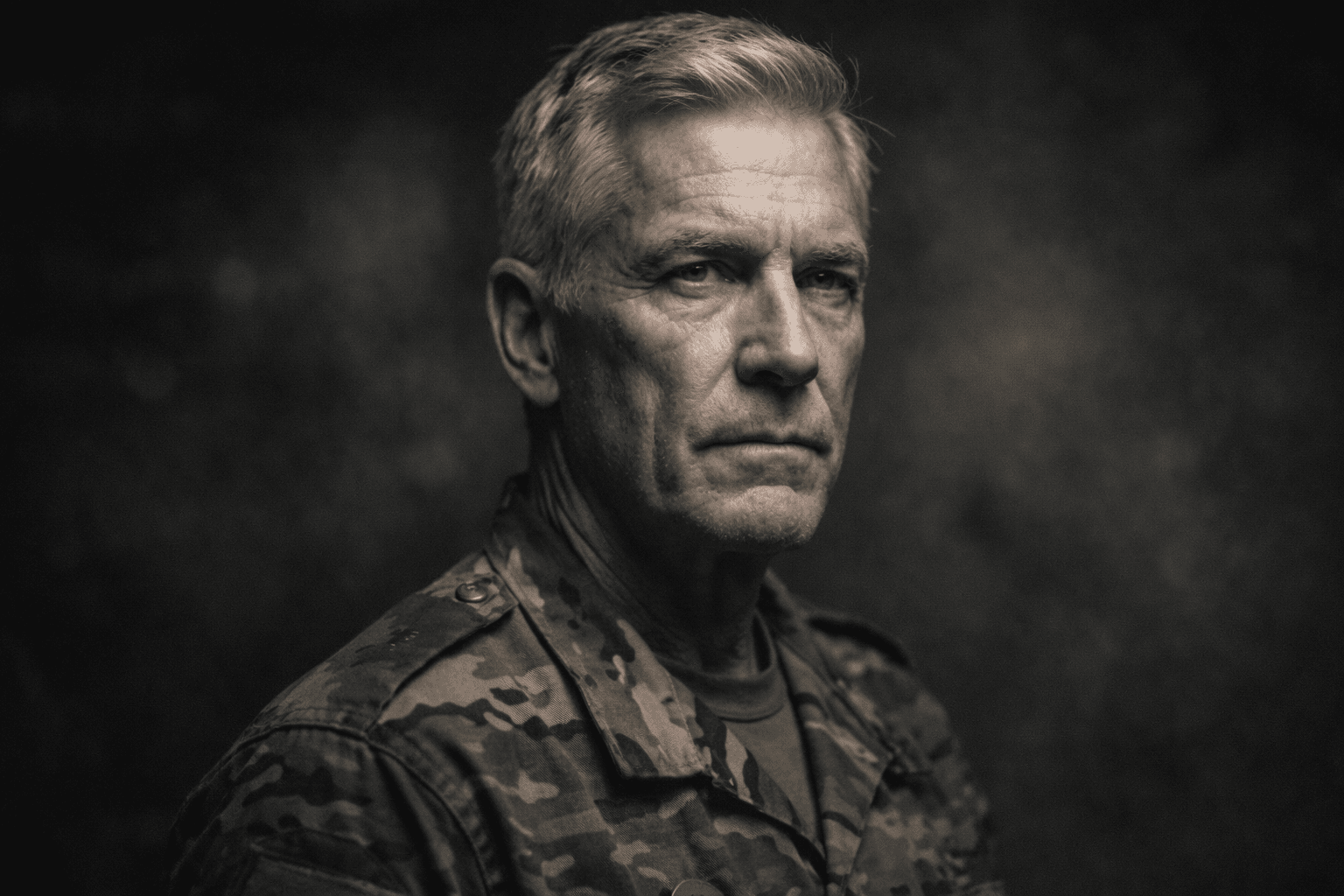
The Architect
Colonel Michael Edward Dalton, USMC (Ret.)
Team Leader & Strategic Operations Commander
Origin Story: Colonel
The Admiral William Crace Case
Admiral William Crace was a three-star legend who ran a procurement fraud scheme that funneled $340 million to contractors in exchange for kickbacks. At least nine service members died because of substandard equipment. Dalton built an airtight case over three years. In February 2016, a Deputy Secretary of Defense explained how important friends could create "complications" and "headwinds" for Dalton's career. Dalton told him to go to hell. During the court-martial, a four-star intervened. Evidence was ruled inadmissible on nonexistent technicalities. Witnesses recanted after mysterious visits. Crace was acquitted on all counts and retired with full honors.
Staff Sergeant Carlos Mendez, who testified despite threats, was transferred to Alaska, had his clearance revoked, lost his family, and drove his truck off a bridge six weeks after the verdict. Dalton had promised the system would protect him. The system destroyed him instead. Dalton resigned the next morning. He spent eight months testing whether he wanted to live badly enough to do something about the rage eating him from the inside. He put his service weapon in his mouth twice and took it out twice. When the visitor came, he called on day three.
This experience transformed Colonel and led them to join the Grey Area team.
The Mind Behind the Mission
Thirty years of military leadership. Doesn't ask for authority—assumes it. When he speaks, people listen, not because he demands it but because he's clearly already ten steps ahead.
Being wrong. Authorizing action against someone who didn't deserve it. That would make him a murderer, not a soldier.
Key Traits
Commanding
Methodical
Haunted
Isolated
Michael believes absolutely in what he's doing. But he's spent thirty years prosecuting people who believed they were above the law. Now he's one of them. The verification protocols, the rules of engagement—they're his way of convincing himself he's different from the people he hunted. Some nights, he's not sure he is. The Conscience role exists because he needs someone to challenge him. He's terrified of becoming Admiral Crace—a man so certain of his own righteousness that he couldn't see his own corruption.
Known Associates


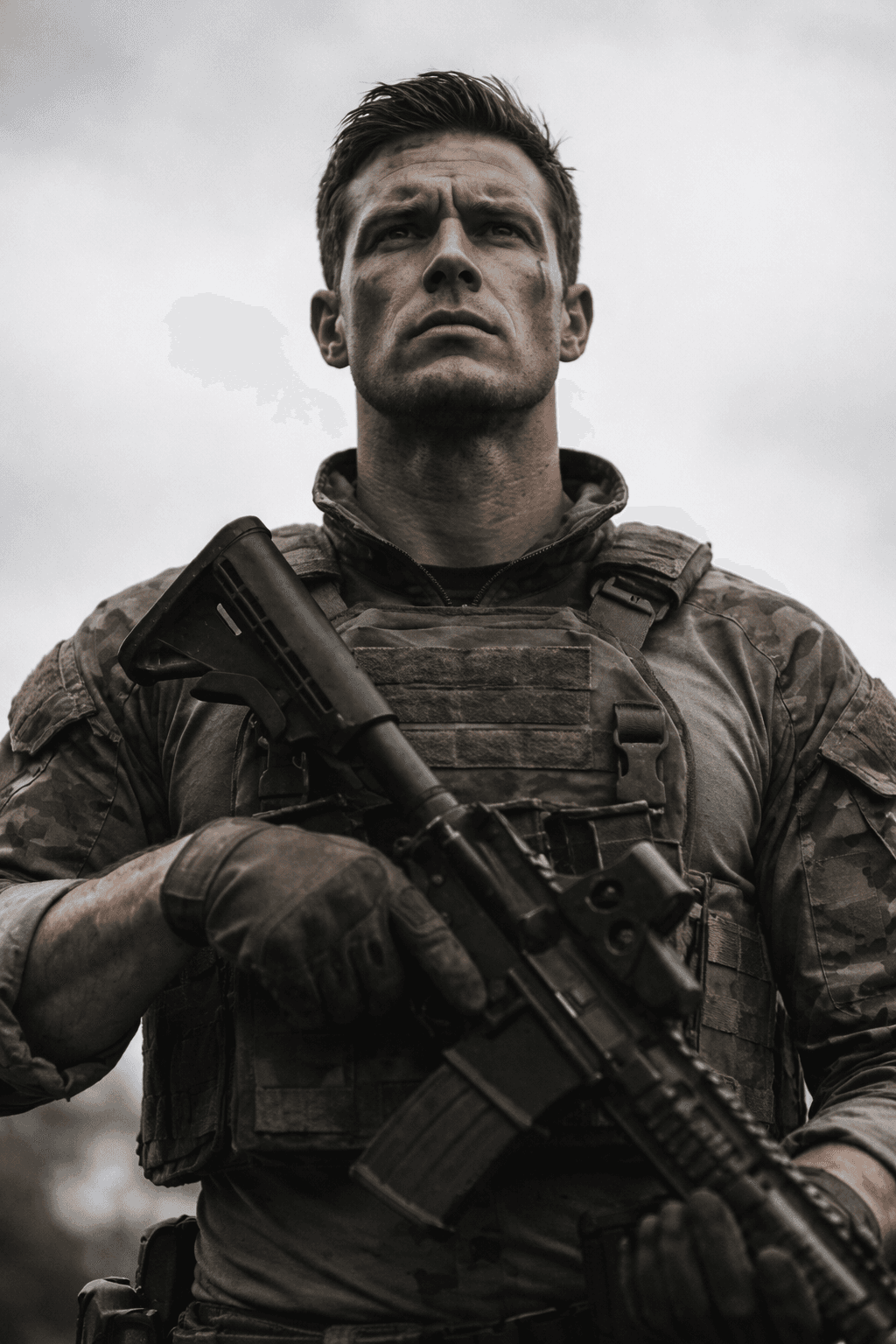

Signature Elements: Colonel
Behavior
Never raises his voice. The quieter he gets, the more dangerous the situation. Team members have learned: if Dalton is whispering, someone's about to have a very bad day.
Ritual
Reviews every target file personally. Three times. Looking for the detail that might exonerate them. He won't move until he's certain.
Ritual
Keeps a leather-bound notebook with two columns: names of the guilty they've handled, and names of the people those guilty parties hurt. The second column is always longer.
Ritual
Once a month, drives to Arlington National Cemetery. Sits at his brother David's grave for an hour. Never speaks. Just sits.
Ritual
When making the final authorization on a target, asks one question: "Is there any legitimate path to justice remaining?" If there's even a possibility, they wait. They watch. They don't move until every legal avenue is exhausted.
Key Moments: Colonel
Words from Colonel
I spent thirty years believing the system worked. It doesn't. It protects power. It punishes the weak for inconveniencing the strong. We're not above the law—we're what happens when the law refuses to show up.